I’ve been to Nepal seven times since 2012. EBC, Gokyo and Renjo La, Annapurna Circuit, Annapurna Base Camp, Island Peak, Poon Hill, and weeks in Pokhara. I have made most of the mistakes I’m about to tell you about, and I’ve watched a lot of other people make the rest.
None of this is meant to scare you. Nepal is one of the best trips you’ll ever take. But the difference between a trip you remember forever and a trip you survive is mostly planning. Here are the ten mistakes I see Americans make over and over, and how to dodge them.
1. Trying to cram too much into one trip
This is the number one mistake, and I made it on my second trip. You think, I’m flying halfway around the world, I’m not coming back, I’d better see everything. So you book EBC, then Annapurna, then Chitwan for the rhinos, then a Pokhara weekend, then a Kathmandu day, all in 18 days.
What actually happens: you arrive jet-lagged, you don’t acclimatize properly, you’re exhausted by day six, you fly home with a Khumbu cough and a credit card hangover and you’ve experienced none of it. Pick one trek. Add Kathmandu and Pokhara around it. That’s plenty.
2. Underestimating acclimatization
I cannot say this loud enough. Altitude is not about how fit you are. It’s about how slowly you go up and how much your body decides to cooperate. Marathon runners get pulmonary edema. Sixty-year-old grandmothers with good itineraries finish EBC fine.
If your itinerary doesn’t include acclimatization days at Namche Bazaar and Dingboche on EBC, or proper steps on ABC, change the itinerary. If your operator says you can do EBC in eight days, run. Real itineraries are 12 to 14 days for a reason.
3. Booking the cheapest operator you can find
I’ve written about how I pick operators in detail, but the short version: the difference between a $900 trek and a $1,600 trek is often the difference between a guide who carries an oxygen meter and one who doesn’t. Between a porter who has insurance and one who doesn’t. Between food you can keep down at 4,500 meters and food that ends your trek.
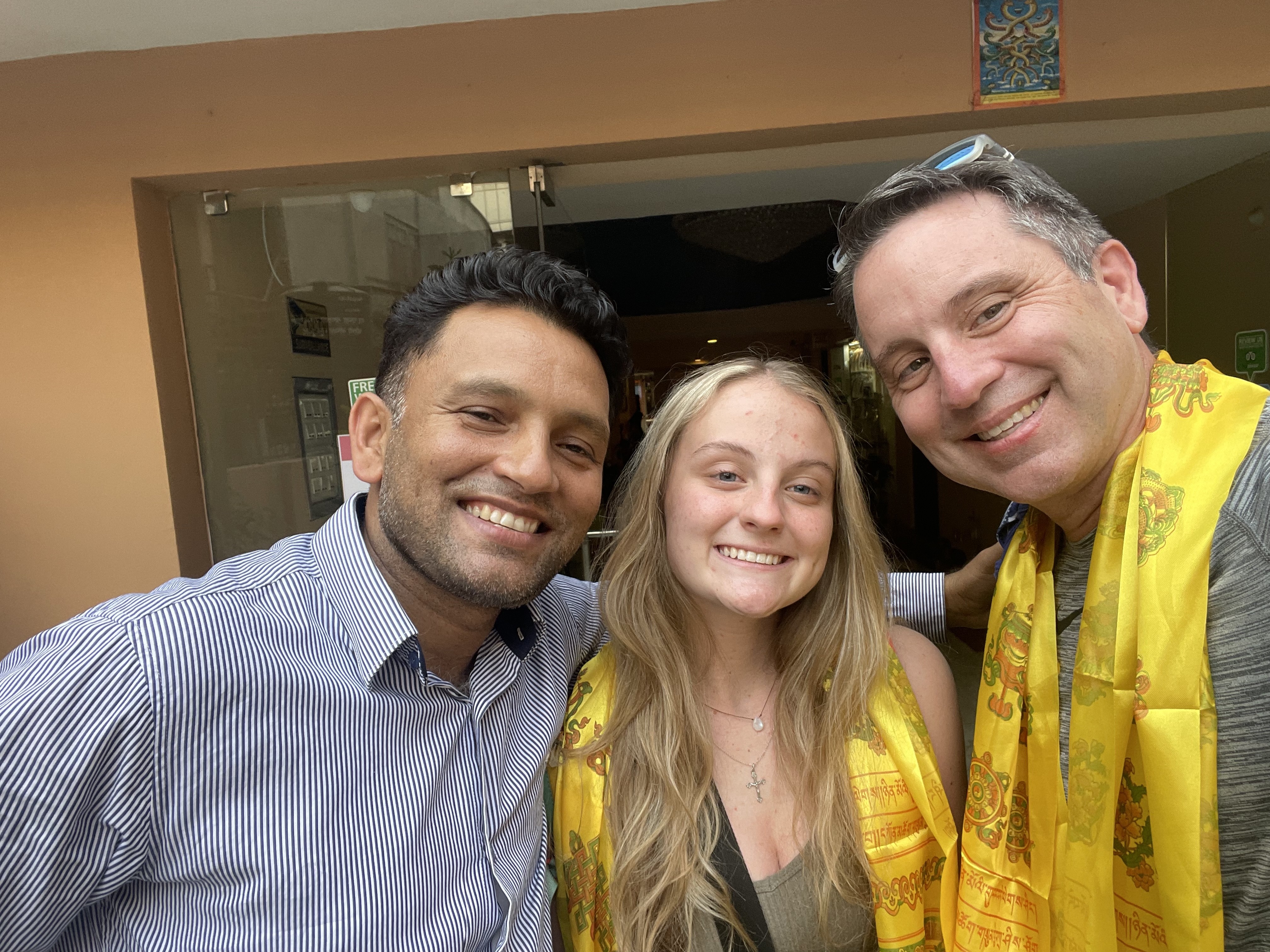
I recommend Third Rock Adventures on this site (and yes, I disclose I get a referral fee if you book through my links). I don’t recommend them because of the fee. I recommend them because the owner, Naba, personally got me out of a Lukla weather mess on a helicopter rescue, and because every client I’ve sent has come home happy.
Two scenes from my trips that I cannot shake. The first was a cold night in Dingboche, up in the Khumbu, where a trekker in another group had pushed too high too fast without acclimatizing. He developed serious altitude sickness in the middle of the night and had to be carried down to lower elevation in the dark. It was genuinely scary, and it was avoidable. The standard EBC itinerary builds in acclimatization rest days for exactly this reason, and skipping them to save a day on the trail is one of the most dangerous shortcuts you can make.
The second is something I have seen on more than one trek. Porters from cheaper companies on the trail in inadequate clothing, and in one case wearing flip flops in the snow. The cheapest operator quotes you find online often work because they cut what you cannot see, and porter welfare is the easiest thing to cut invisibly. If you would not let a friend hike at 4,500 meters in flip flops, do not hand someone else’s friend that job either.
4. Packing wrong
Two specific mistakes show up over and over.
Cotton. People wear cotton t-shirts, cotton underwear, cotton hoodies. Cotton gets wet, holds water, and steals heat. At 4,500 meters in November that’s a real problem. Synthetics and merino only.
Wrong footwear. People show up in brand-new boots they bought two weeks before the trip. Or they bring trail runners for a trek that has snow at the top. Or they have great boots and no broken-in liner socks. Your feet are your trek. Treat the boots like the most important item in your bag, because they are.
I keep a working list in the Nepal packing list post. The short version: layers, broken-in boots, wool socks, a down jacket warmer than you think you need, and the lightest pack you can get away with.
5. Picking the wrong season
Spring (March to May) and fall (October to November) are the main windows. Outside that, you’re either fighting monsoon clouds and leeches (June to September) or freezing your face off above 4,000 meters (December to February). Both work for some people. Neither is right for first-timers.
Within the right windows there are still trade-offs. October is the most stable weather but also the most crowded. Late November is colder and quieter. April brings rhododendrons in bloom which is genuinely a sight worth planning around. I wrote a longer breakdown in the best time of year to trek post, but if I had to pick one window for a first trip, it would be the second half of October or early April.
6. Not budgeting for the helicopter-out option
This is the single line item I see people skip and regret. On EBC especially, weather can shut Lukla for days. If you have a hard departure date, a helicopter from Lukla to Kathmandu can save your international flight. They are not cheap. They are sometimes covered by travel insurance, sometimes not.
Pad your trek budget with helicopter contingency. If you don’t use it, you go home with extra money. If you need it and you don’t have it, you go home days late and stressed.
7. Treating Kathmandu as just a layover
People fly in, sleep one night, fly to Lukla, do the trek, come back, and leave the next morning. They never see Kathmandu. That’s a mistake.
Kathmandu is one of the most interesting cities on earth. Bhaktapur. Patan. Boudhanath at sunset when the monks come out. Swayambhunath. Thamel for shopping. You can do a great two-day intro and still have time. I broke down what I’d actually do in the Kathmandu Valley page.
A few moments I come back to. The first time I went up to Swayambhunath, the Monkey Temple, on a crisp morning. Monkeys are absolutely everywhere, and the view of Kathmandu from the overlook is one of those moments that recalibrates the whole trip. Then there is wandering Thamel and getting deliberately lost in the endless alleys and shops, which is its own afternoon. And there is the Garden of Dreams, which most trekkers never hear about, a small walled neoclassical oasis right in the middle of the city. Two days in Kathmandu before you fly to Lukla is not a buffer. It is a real chunk of the trip.
8. Ignoring porter ethics
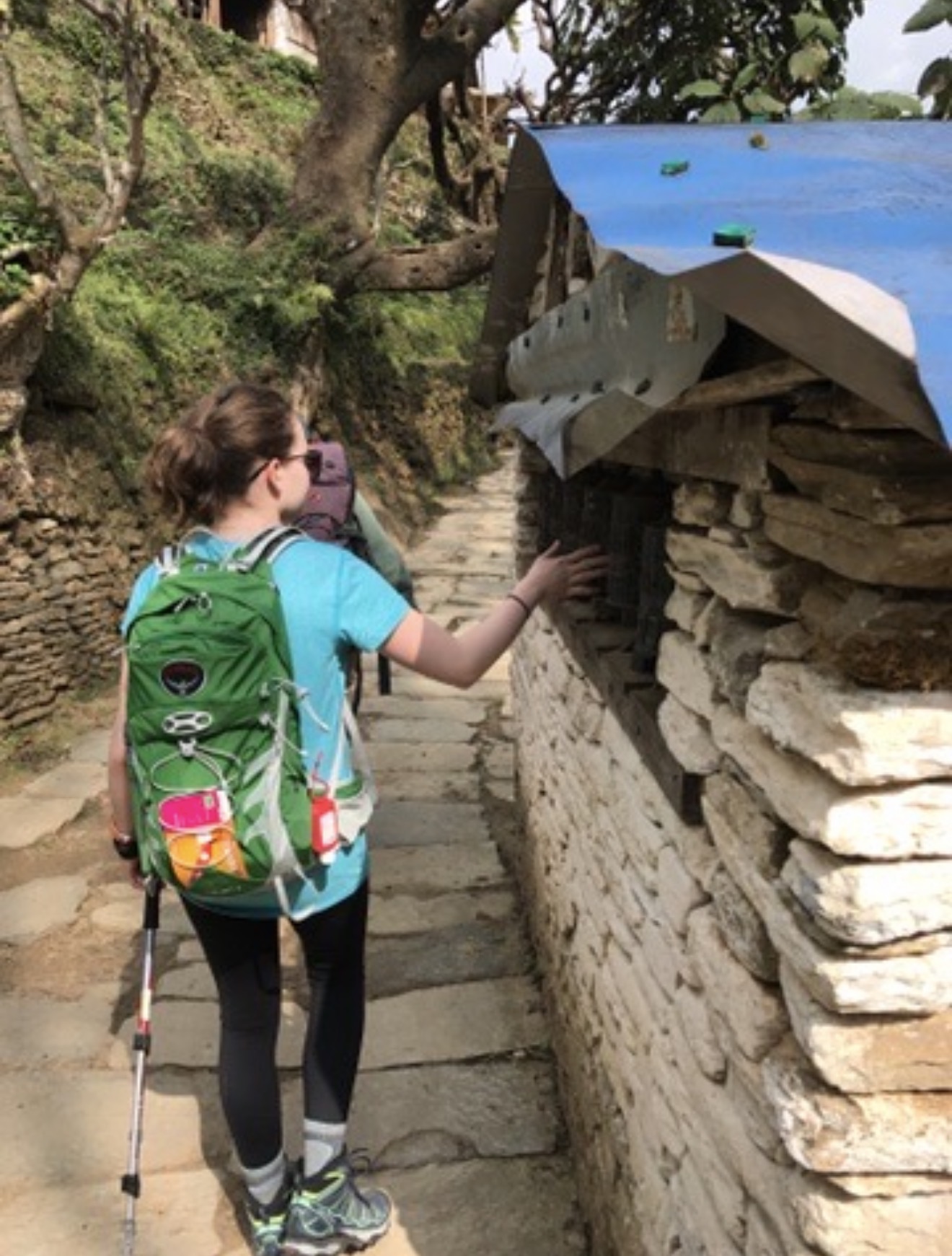
Your porter is a human being, not a pack mule. Cheap operators sometimes overload porters, sometimes don’t insure them, sometimes don’t provide proper gear for cold and altitude. Porter deaths happen on these trails, and they don’t have to.
Pick an operator that does it right. Tip well. Don’t put more in your duffel than the weight limit. Talk to your porter if you can. They’ve usually got stories that beat anything in the guidebook.
9. Skipping travel insurance with high-altitude evacuation
Regular travel insurance often caps evacuation coverage at a certain altitude, sometimes 4,500 meters. EBC is well above that. ABC is right around it. Read the policy. Get the trekking rider. Get a policy with helicopter evacuation included, not just promised.
This is one of those things you only need if you need it, and when you need it, you really need it.
10. Assuming you can wing the permits
Nepal has a permit system, and it changes. There’s TIMS, there’s the Sagarmatha National Park permit for the Everest region, there’s the Annapurna Conservation Area Permit, and rules around solo trekking have tightened over the past few years.
The simple fix: book through a real operator who handles permits as part of your package. That’s most of why people book operators in the first place. If you’re trying to DIY all of this from your couch in Denver, you’re going to miss something.
The honest summary
The mistakes above are almost all about one thing: trying to save money or time in places that don’t reward it. Nepal is cheap by trekking standards. It is not free. You can cut corners on souvenirs and meals in Thamel. You should not cut corners on operator, itinerary, or insurance.
If you want help mapping out a realistic trip, take the Find the Right Trek quiz or tell me about your trip. I’ll tell you the same thing I’d tell a friend, including which of these mistakes I think you’re most likely to make.
Nepal is worth the planning. Go do it right.
Going solo? Read First Time in Nepal Alone for the honest guide on safety, guides, and how to do solo right.
Considering the Annapurna Circuit? Read my honest 2026 take on whether the road has changed it too much.