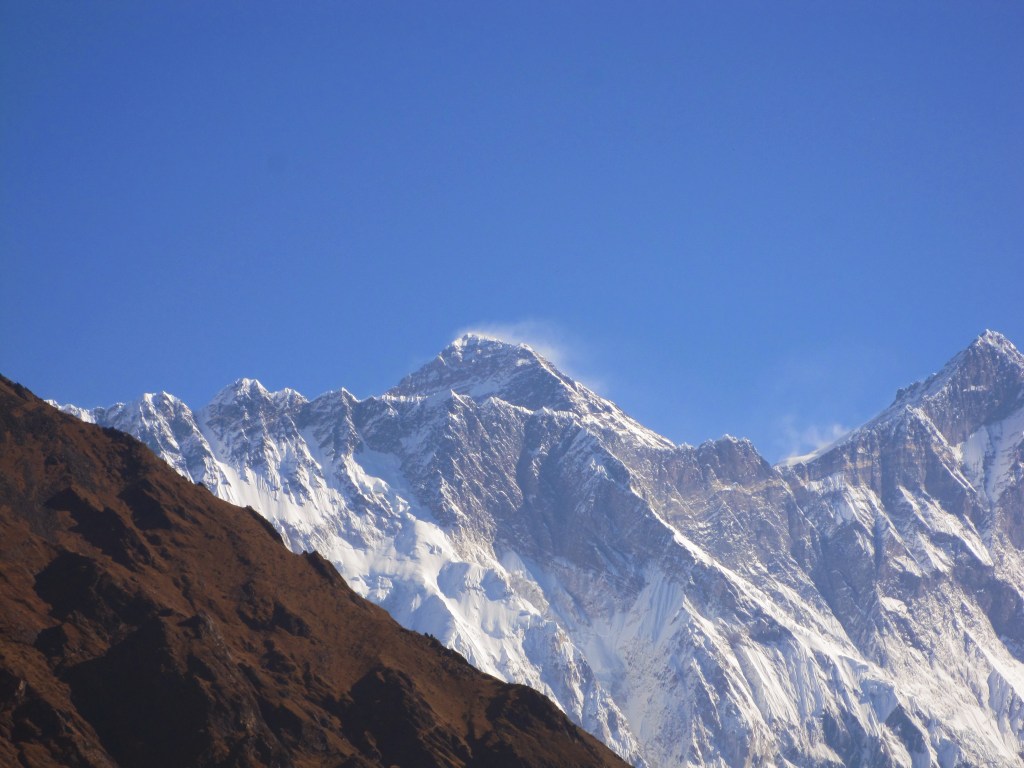
I did the Everest Base Camp trek in October, and the Kala Patthar sunrise was worth the entire trip. Standing above 5,500 meters in the dark, watching the first light hit Everest. I still think about it.
If you’re planning this trek and you’re coming from North America, this guide is for you. I’ve covered the route, the cost, the permits, the gear and the stuff most guides skip. Took me six trips to Nepal to figure some of this out, so you don’t have to.
What Is the Everest Base Camp Trek?
It’s a roughly 130-kilometer round trip through the Khumbu region of northeastern Nepal. You fly into Lukla, walk through Sherpa villages, climb through some of the most dramatic mountain scenery on earth, and end up at 5,364 meters at the foot of the world’s tallest mountain.
No technical climbing. No ropes or crampons. Just walking, altitude, and a lot of stairs.
Most people do it in 12 to 14 days. I took 14 and wouldn’t have wanted fewer. The timeline isn’t about distance. It’s about letting your body adjust to the altitude. Rush it and your body will make the decision for you. Having 14 days builds in acclimitization days and possible flight disruptions due to weather.
The Route
You fly from Kathmandu (or Ramechhap) to Lukla, then walk north through the Khumbu Valley. The main stops are Phakding, Namche Bazaar, Tengboche, Dingboche, Lobuche, and Gorak Shep before you reach Base Camp.
Most itineraries also include Kala Patthar (5,545 meters). Don’t skip it. The sunrise view of Everest from up there is the best you can get without a climbing permit, and it’s genuinely better than Base Camp itself.
Key elevations:
- Lukla: 2,860 m (9,383 ft)
- Namche Bazaar: 3,440 m (11,286 ft)
- Tengboche: 3,867 m (12,687 ft)
- Dingboche: 4,410 m (14,469 ft)
- Everest Base Camp: 5,364 m (17,598 ft)
- Kala Patthar: 5,545 m (18,192 ft)
Day by Day Itinerary (13 Days)
Day 1: Fly Kathmandu to Lukla, trek to Phakding The Lukla flight is short and unforgettable. Steep mountain runway, sharp drop at one end, incredible scenery on approach. I loved it. From Lukla you drop down into the Dudh Koshi valley and reach Phakding in about 3 hours. Easy day. Good for getting your legs under you.
Day 2: Phakding to Namche Bazaar Your first real day of trekking. Suspension bridges, national park entry, and a steep climb into Namche. Budget 5 to 6 hours. Namche is a real town with good food, gear shops, and a vibe that’ll surprise you.
Day 3: Acclimatization day in Namche Not optional. Hike up to the Everest viewpoint above town in the morning. In October the visibility is outstanding and you get your first real look at Everest, Lhotse, and Ama Dablam. Then come back down and sleep in Namche. The rule is climb high, sleep low.
Day 4: Namche to Tengboche Beautiful day through rhododendron forests. Ama Dablam starts to take over the skyline here. Honestly one of the prettiest stretches of the whole trek. Your camera will get a workout.
Day 5: Tengboche to Dingboche Terrain gets more open and barren. About 5 hours. Walk through the monastery before you leave in the morning if you can.
Day 6: Acclimatization day in Dingboche Another rest day. Hike up to Nagarjun Hill for views of Makalu and Lhotse. October skies in the Khumbu are consistently clear. Take advantage.
Day 7: Dingboche to Lobuche Shorter day but you’re above 4,900 meters. Go slow. The landscape turns rocky and glacial up here.
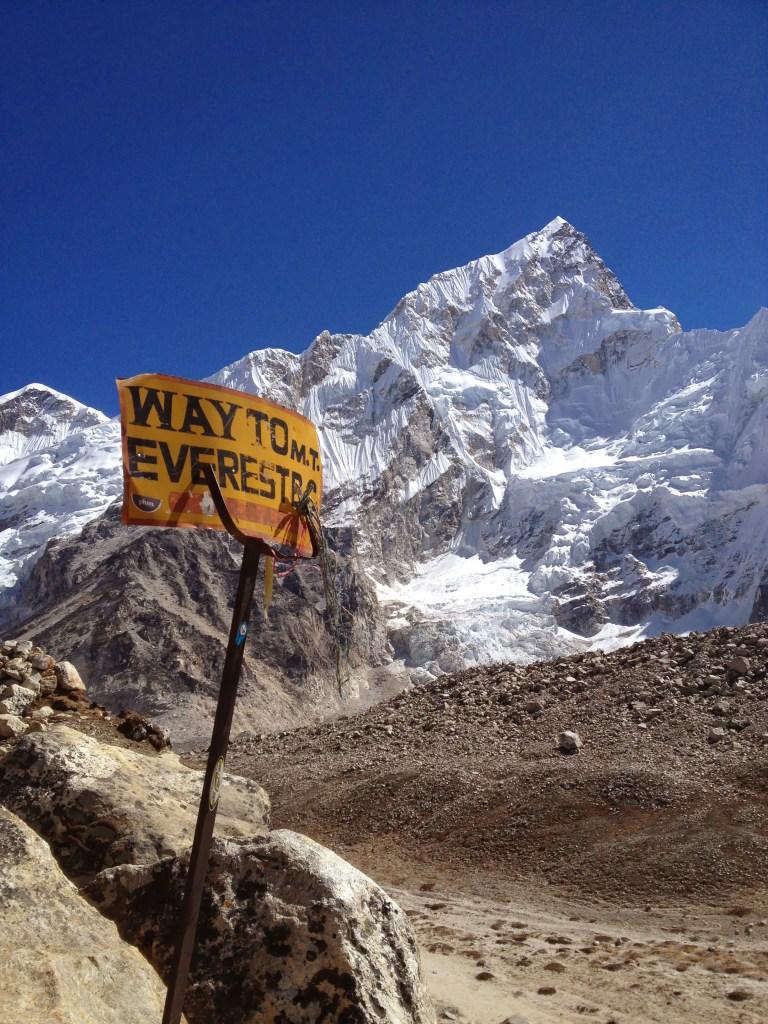
Day 8: Lobuche to Gorak Shep, then Base Camp Drop your pack in Gorak Shep and continue out to Base Camp across the Khumbu Glacier. The last stretch is surreal. Just moraine and ice with Everest sitting above you. Come back to Gorak Shep to sleep.
Day 9: Kala Patthar sunrise, then descend to Pheriche Get up before dawn. The hike to Kala Patthar in the dark is cold and worth every second. Sunrise on Everest in October is something else. Then you descend all the way to Pheriche. Long day.
Day 10: Pheriche to Namche Mostly downhill. You’ll feel the oxygen coming back as you drop in elevation. Enjoy it.
Day 11: Namche to Lukla Last big trekking day. Downhill most of the way. Have a beer in Lukla. You earned it.
Day 12: Fly Lukla to Kathmandu October weather is generally stable but build in a buffer before any international flights. Delays happen.
Day 13: Kathmandu buffer day Shop, eat, rest. Don’t fly home the same day as your Lukla flight if you can avoid it.
How Hard Is It?
Harder than it looks on paper, mostly because of the altitude. At Base Camp, you’re breathing air with roughly half the oxygen of sea level. Tying your boots takes effort. Climbing a short hill feels like more than it should. Sleep gets broken above 4,000 meters for most people.
I had mild headaches above Namche. So did most of my group. They passed with rest and water. Nothing that made me consider stopping.
What I’d say is this: if you can hike 8 to 10 miles with a few thousand feet of gain, you have the fitness for this. Spend three months before your trip hiking with a loaded pack of 10 -15 pounds and you’ll be in good shape.
Altitude Sickness
Real and worth understanding before you go. Acute Mountain Sickness symptoms include headache, nausea, dizziness, fatigue, and bad sleep. Mild AMS is common. Serious AMS can turn dangerous fast.
The rules are simple. Don’t ascend to a new sleeping elevation if you have a headache that won’t go away. If symptoms get worse after you’ve rested, go down. Diamox can help, but it’s not a substitute for pacing. Consult with your doctor before attempting any activty.
Your guide should know all of this cold. It’s one of the main reasons to go with a reputable operator rather than winging it.
Best Time to Go
October / November is my recommendation. Post-monsoon skies in the Khumbu are incredibly clear, the temperatures are colder but manageable, and the views are consistent. It’s busy because everyone else has figured this out too, but the crowds on trail felt about right when I was there. Not overwhelming.
November is a good option too, and quieter. Just colder.
Spring (March to May) is the other main season. Good conditions, rhododendrons blooming, and a lot of energy at Base Camp from the climbing expeditions.
Skip June through August (monsoon) and January through February (brutal cold, high winds, limited teahouse availability).
Permits
You need two:
Sagarmatha National Park Entry Permit: Around $30 USD. Sorted at the park entrance in Monjo.
TIMS Card: Around $20 USD. Picked up in Kathmandu before the trek.
Your agency handles both. If you book through Thirdrock Adventures, this is taken care of.
What It Costs
Agency package (guide, porter, accommodation, meals): $1,750 to $3,000 USD
Lukla flights round trip: $250 to $350 USD
Permits: $50 USD
Gear: $200 to $500 USD depending on what you have
Kathmandu accommodation and food: $100 to $300 USD
International flights from the US: $800 to $1,400 USD
Total budget: $3,000 to $5,000 USD
It’s not cheap. But I’ve never spent money on a more worthwhile experience.
Items not included: food in Kathmandu, alcohol, charging in the mountains, bottled water.
Teahouses vs. Camping
Teahouse trekking is what almost everyone does and what I’d recommend. You sleep in guesthouses along the route and eat your meals there. Lower down you’ll find hot showers and Wi-Fi. Higher up it gets simpler. Cold rooms, thin blankets, basic food. All fine. All part of it.
Camping exists but there’s no real advantage for most trekkers.
Why You Need a Guide
Nepal requires registered guides for foreign trekkers in the Khumbu. But beyond the requirement, a good guide makes the whole trip. They handle logistics, watch your health, know the route in every condition, and connect you with the Sherpa communities you’re walking through. A porter carries your heavy pack so you can actually look around.
Don’t book with a random agency you found online. The guide you hire is the most important decision you make for this trip.
Who I Use
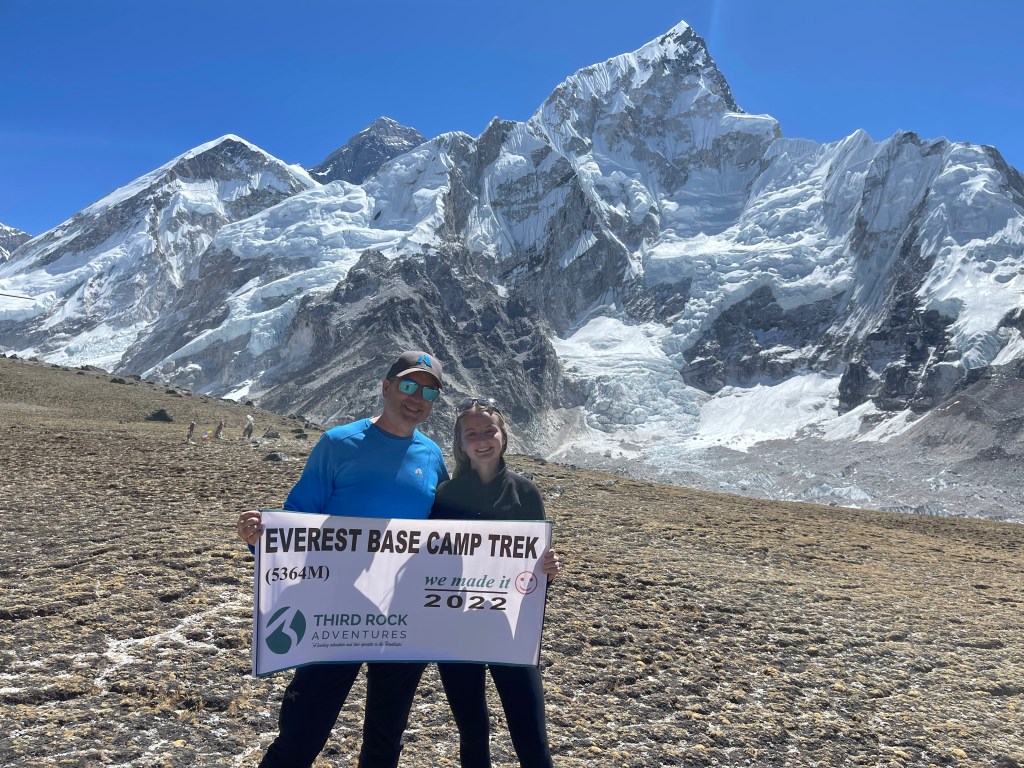
After six trips to Nepal, I’ve seen what good operators look like. Thirdrock Adventures is the only company I refer Americans to. Their guides are experienced, their logistics are dialed in, and they understand what North American clients need, including people who have never been to altitude before.
Learn more about why I recommend Thirdrock Adventures
Common Questions
Do I need prior trekking experience? No. You need to be able to hike for several hours a day with a daypack. Preparation matters more than experience.
Can I go without a guide? No. Nepal’s regulations require registered guides in the Khumbu region.
How cold is it in October? Nights at Gorak Shep can hit -10C (14F) or colder. Days are cold but fine with the right layers. October is genuinely a great month for this.
Is there Wi-Fi on the trek? Yes, at most teahouses. Quality drops higher up and most lodges charge extra.
What if someone in my group gets altitude sickness? Descend. Your guide makes that call. Thirdrock guides are trained for this.
Can older trekkers do EBC? Yes. I’ve met plenty of trekkers in their 50s and 60s on the trail. It’s about preparation and pacing.
Thinking about doing this? I work with Thirdrock Adventures to connect Americans with the right guides and the right trip. Reach out and let’s talk through it.
 nepaltrekkinginsider.com