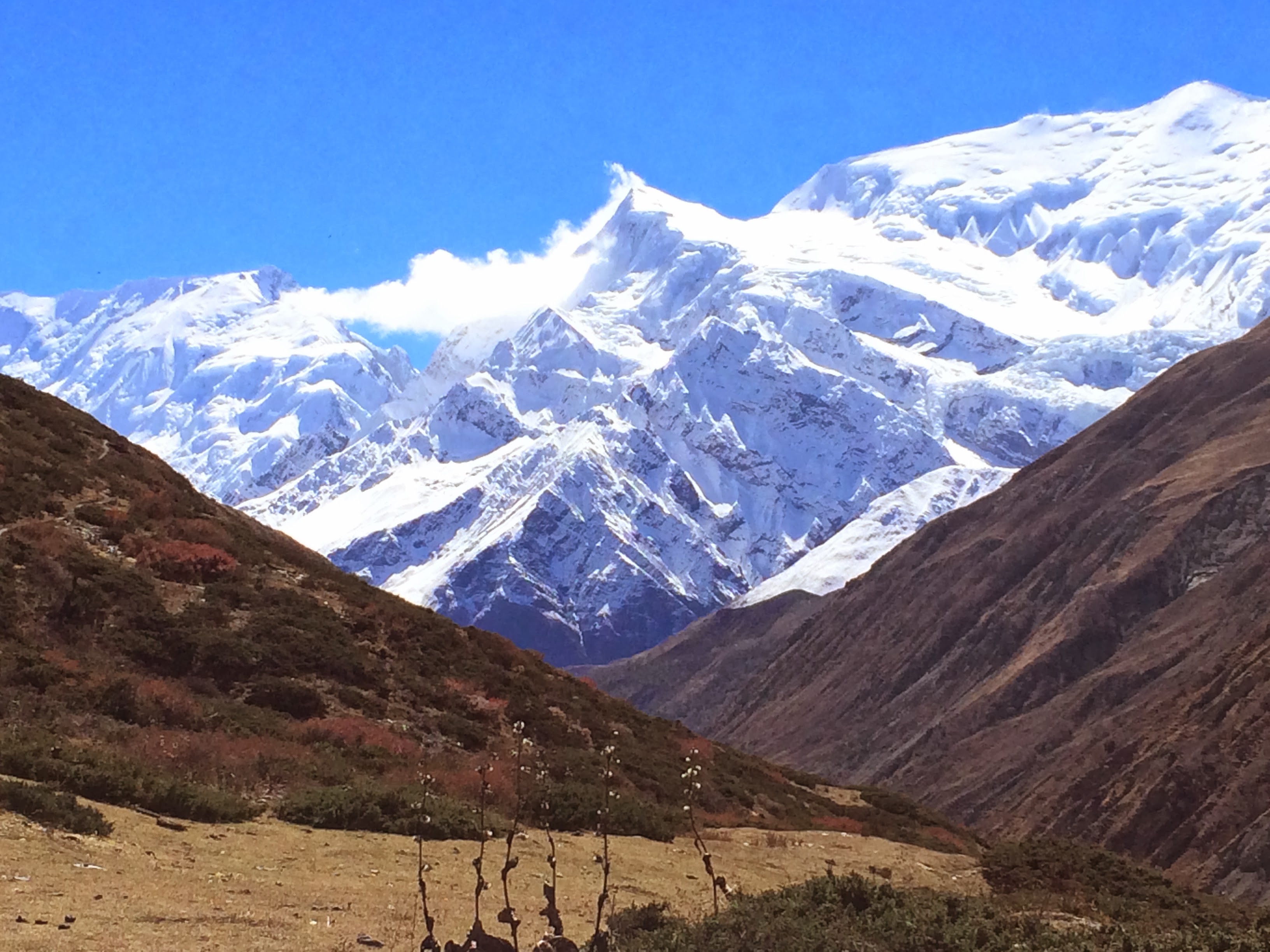
Short answer: yes. Here’s the longer version from someone who’s been there six times.
Nepal is one of the most visited trekking destinations in the world and consistently ranks as one of the safer countries in Asia for foreign travelers. That said, safety is a real consideration when you’re planning a trip to a high altitude, remote environment on the other side of the world. Here’s an honest look at what to be aware of and what you don’t need to worry about.
Political and Civil Safety
Nepal is a stable, democratic country with a strong tourism infrastructure. The political instability that affected Nepal in the 1990s and early 2000s is well in the past. Kathmandu is a busy, relatively safe city for tourists. Petty theft exists as it does in any city, so keep an eye on your belongings in crowded markets and tourist areas, but violent crime against tourists is rare.
Trekking Safety
This is where most of the real risk lives, and it’s manageable with the right preparation and the right operator.
The biggest safety concern on a trek in Nepal is altitude sickness, not crime or political instability. Acute Mountain Sickness (AMS) can affect anyone regardless of fitness level and can become serious if ignored. The way you manage it is by choosing an itinerary with built-in acclimatization days and trekking with an experienced guide who knows the signs.
Thirdrock Adventures builds acclimatization days into every itinerary, and its guides carry pulse oximeters and first-aid kits. That’s not standard practice across all operators. It matters.
Other trail safety considerations are practical ones. Wear broken-in boots. Use trekking poles on steep descents. Don’t push through symptoms. Tell your guide if something feels off.
Helicopter Evacuation
This comes up a lot and Americans are right to ask about it. If you develop serious AMS or get injured on trail, a helicopter evacuation to Kathmandu is the standard response. It is fast and effective. It is also expensive without insurance, often $5,000 or more out of pocket.
Get travel insurance that specifically covers helicopter evacuation and high altitude trekking before you leave home. This is non-negotiable.
Food and Water Safety
Kathmandu has plenty of good restaurants that cater to international travelers. Stick to cooked food, avoid tap water, and you’ll be fine. On the trail, teahouses serve freshly cooked meals and boiled water is available at every stop. Carry a water bottle with a filter or purification tablets for added peace of mind.
Solo vs. Guided Trekking
Some experienced trekkers do Nepal routes solo. For most Americans on a first or second trip, I’d recommend going with a guide. Not because the trails are dangerous, but because a good guide adds so much to the experience and handles every logistical detail. You’re not navigating, managing permits, finding teahouses, or figuring out acclimatization on your own. You’re just trekking.
Thirdrock guides have over a decade of experience and have guided hundreds of trekkers through the same routes. That knowledge is worth a lot at 5,000 meters.
The Bottom Line
Nepal is safe for American tourists. The risks that exist are manageable with good preparation, the right operator, and proper travel insurance. I’ve taken my family and friends there and I’ll keep going back.
Planning a Trip and Have Questions?
I’m happy to talk through any safety concerns before you commit to anything. Seven trips in, I’ve dealt with most situations that come up and I’ll give you a straight answer.
Email: corfu11@gmail.com
Phone/WhatsApp: +1.763.234.0690
Published by Derik Goodman Sales and Operations, North America, Thirdrock Adventures
 nepaltrekkinginsider.com