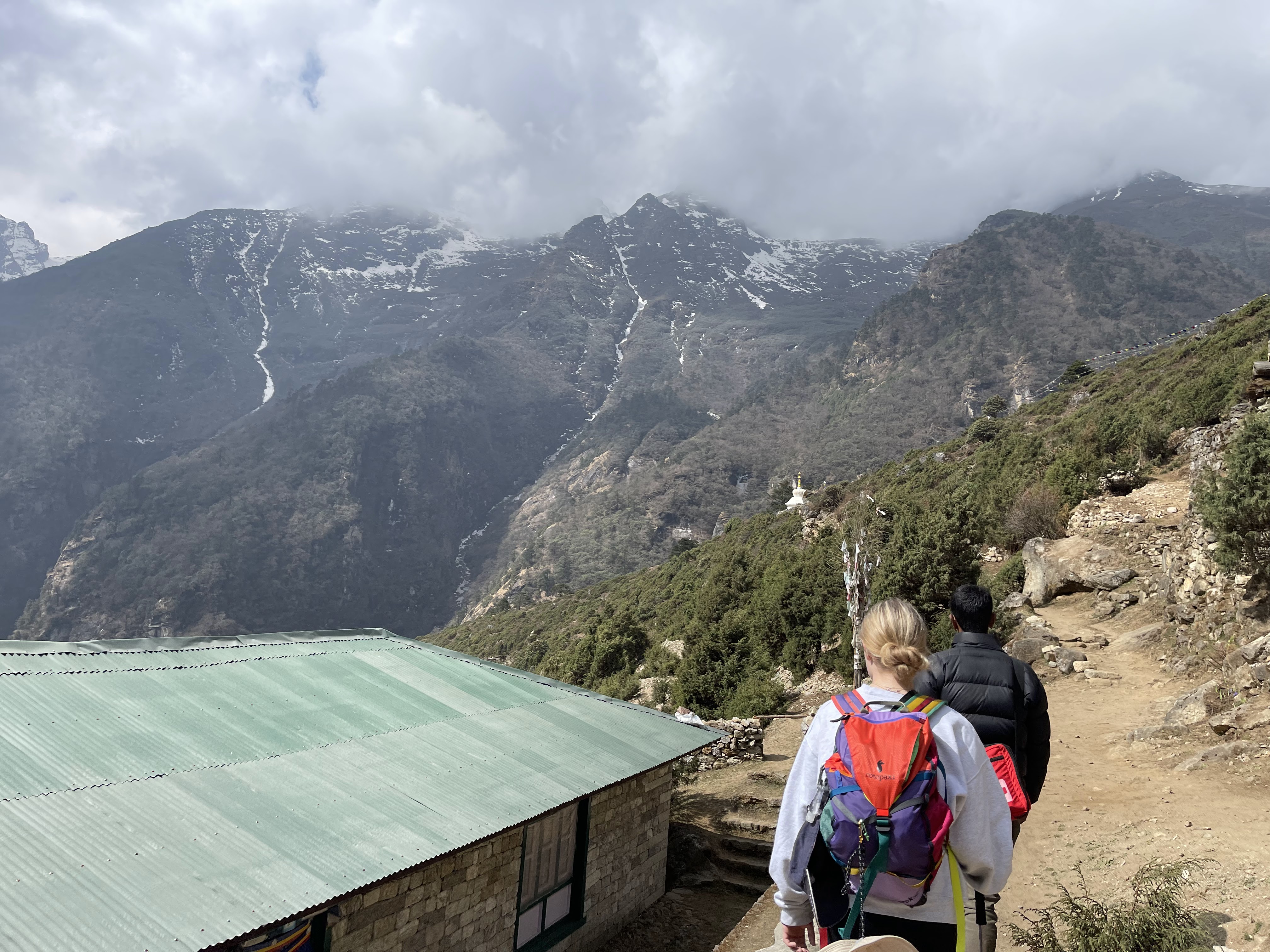
You don’t need to be an athlete. You do need to prepare. Here’s exactly how.
I summited Island Peak on my first trip to Nepal. I’ve trekked to Everest Base Camp multiple times since. The number one thing I’ve observed is that the people who struggle on the trail are almost never the ones who aren’t fit enough. They’re the ones who didn’t prepare properly. Here’s what actually matters.
Physical Preparation
EBC is a 14-day trek covering roughly 130 kilometers with significant daily elevation gain. You don’t need to be a runner or a gym regular, but you do need a base level of cardiovascular fitness and leg strength.
Start preparing at least 8 to 12 weeks before your trip. The best training for trekking is walking, specifically walking uphill with a pack on. If you have access to hills or stairs, use them. A loaded daypack worn during training hikes will do more for you than any amount of flat road walking.
Some specific things to work on:
Cardiovascular fitness. Aim for 45 to 60-minute cardio sessions three to four times per week. Hiking, cycling, swimming, and stair climbing are all good options.
Leg strength. Squats, lunges, step-ups, and calf raises build the muscles you’ll rely on for hours of uphill and downhill walking every day.
Downhill endurance. Descending a mountain is harder on your body than ascending. Practice hiking down hills with a loaded pack. Your quads will thank you.
Duration. Do at least two or three long training hikes of four to six hours before your trip. Getting your body used to sustained effort is more important than peak fitness.
Gear: What You Actually Need
You don’t need to spend a fortune, but the right gear makes a real difference. Here’s what I consider essential:
Boots. The single most important item. Get waterproof hiking boots with ankle support and break them in completely before your trip. New boots on day one of EBC is a painful mistake.
Down jacket. You need a warm one. Temperatures at altitude drop well below freezing at night. Don’t bring a light packable jacket and expect it to be enough above Namche.
Sleeping bag. Teahouses provide blankets, but most experienced trekkers bring their own bag rated to at least minus 10 Celsius. You can rent one in Kathmandu if you don’t want to buy.
Layering system. Moisture-wicking base layers, a mid-layer fleece, and a waterproof outer shell. Conditions change fast on the mountain, and you need to be able to adjust quickly.
Daypack. Your porter carries your main bag. You carry a daypack with water, snacks, your camera, and a layer or two. Thirty liters is plenty.
Most trekking gear can be rented or bought cheaply in Thamel, Kathmandu’s tourist district. If you’re missing anything, you can sort it out there before the trek starts.
Altitude: The Real Challenge
No amount of training fully prepares you for altitude. Your body has to acclimatize in real time, which is why the itinerary matters as much as your fitness level.
The golden rule is go slow and don’t ascend too fast. Thirdrock’s EBC itinerary includes two full acclimatization days, one at Namche Bazaar and one at Dingboche. Do not try to rush these or skip them.
Symptoms of Acute Mountain Sickness include headache, nausea, dizziness, and fatigue. Mild symptoms at altitude are normal. If symptoms worsen or you develop a severe headache, loss of coordination, or confusion, tell your guide immediately. The treatment is descent.
Some trekkers take Diamox (acetazolamide) as a preventive measure. Talk to your doctor before your trip about whether it’s right for you.
Before You Leave Home
A few practical things to handle before you get on the plane:
Travel insurance. Get it before anything else. It needs to cover helicopter evacuation and trekking above 5,000 meters.
Vaccinations. Check with your doctor or a travel health clinic about recommended vaccines for Nepal. Hepatitis A, typhoid, and tetanus are commonly recommended.
Doctor visit. If you have any cardiovascular or respiratory conditions, get cleared by your doctor before committing to a high-altitude trek.
Fitness baseline. Be honest with yourself. If you can walk for four to five hours on a hilly trail without stopping, you can do EBC with proper preparation.
Ready to Start Planning?
I’m happy to talk through your specific fitness level and timeline and give you an honest assessment of whether EBC is the right trek for you right now. Sometimes ABC or Langtang is a better first step, and that’s worth knowing before you book flights.
Email: corfu11@gmail.com
Phone/WhatsApp: +1.763.234.0690
Published by Derik Goodman, Sales and Operations, North America, Thirdrock Adventures
 nepaltrekkinginsider.com